
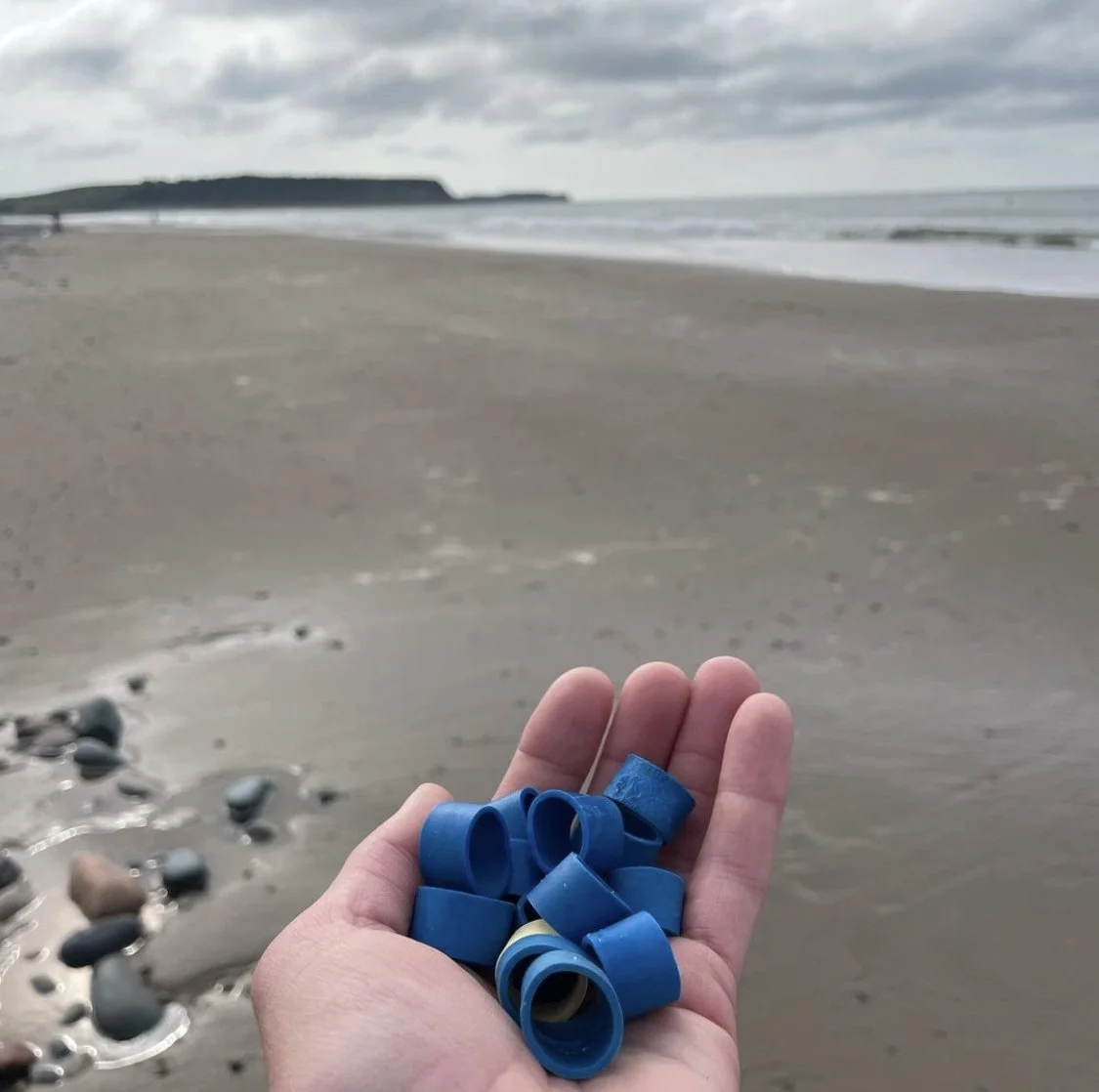
bands off Beaches:
Tackling Marine Litter at the Source
Lobster Bands Collected in 2026:
400,000 and counting!
Help Make 2026
The Year Lobster Bands get off our beaches
We are stoked to support Scotian Shores and its efforts to tackle lobster band pollution at the source. To bring attention to this matter, Scotian Shores has named 2026 the "Year of the Lobster Band".
Like Scotian Shores, Surfrider Atlantic Canada's volunteers have collected many lobster bands from the shorelines of Nova Scotia over the years. And like Scotian Shores, we initially assumed that the bands were being inadvertently released into the marine environment through fishing activities.
WE WERE WRONG.
Although some lobster bands and other marine debris on shorelines are likely the result of being lost at sea during fishing, volunteers with Scotian Shores discovered that a demonstrable amount of lobster bands and other marine debris is being released from lobster processing plant outflow pipes near shorelines.
THIS NEEDS TO STOP.
It is encouraging that, effective August 1, 2025, the Department of Fisheries and Aquaculture introduced a requirement for licence holders to “implement measures to prevent the release of marine debris and litter from their facility,” including but not limited to “lobster bands, plastic strapping and plastic packaging.”
BUT THIS IS NOT ENOUGH.
We are calling on the Nova Scotia Department of Fisheries and Aquaculture to:
Require licence holders to report by November 1, 2026 the measures that they have implemented to prevent marine debris and litter from being released from their facilities;
Have Fisheries and Aquaculture officers proactively inspect floor drains, catchment systems, and outflow pipes at lobster processing plants and holding facilities whenever they visit a licence holder’s facility;
Investigate complaints and take enforcement action, where necessary, to ensure licence holders are complying with their requirement to take steps to prevent marine debris and litter from being released into the environment; and,
Take the lead on promoting best practices within the lobster industry.
The fishing industry should be supported in making the changes necessary to protect the shorelines and oceans from marine debris, including lobster bands. The Department should therefore provide lobster processing plants and holding facilities with information on how they can effectively prevent lobster bands and other litter from escaping their facilities.
YOU CAN HELP, TOO!
Click on the button below to urge the Nova Scotia Minister of Fisheries and Aquaculture to take action to prevent this pollution.
If you find any lobster bands, please let Scotian Shores know how many you have collected and where you found them.
Please also let us know about licence holders who are doing their part! We need a culture shift to address this issue and we would love to know about—and celebrate—industry members who are implementing practical and effective solutions for tackling marine debris at its source.
DID YOU KNOW?
Commercial lobster bands are manufactured industrial elastics designed for durability. Whether made from natural rubber or blended materials, they can persist in coastal environments and should never be released into the ocean.
Lobster bands can be ingested by marine life and do not readily biodegrade under marine conditions. Instead, they may weather and fragment into particles of rubber or elastomer over many years.
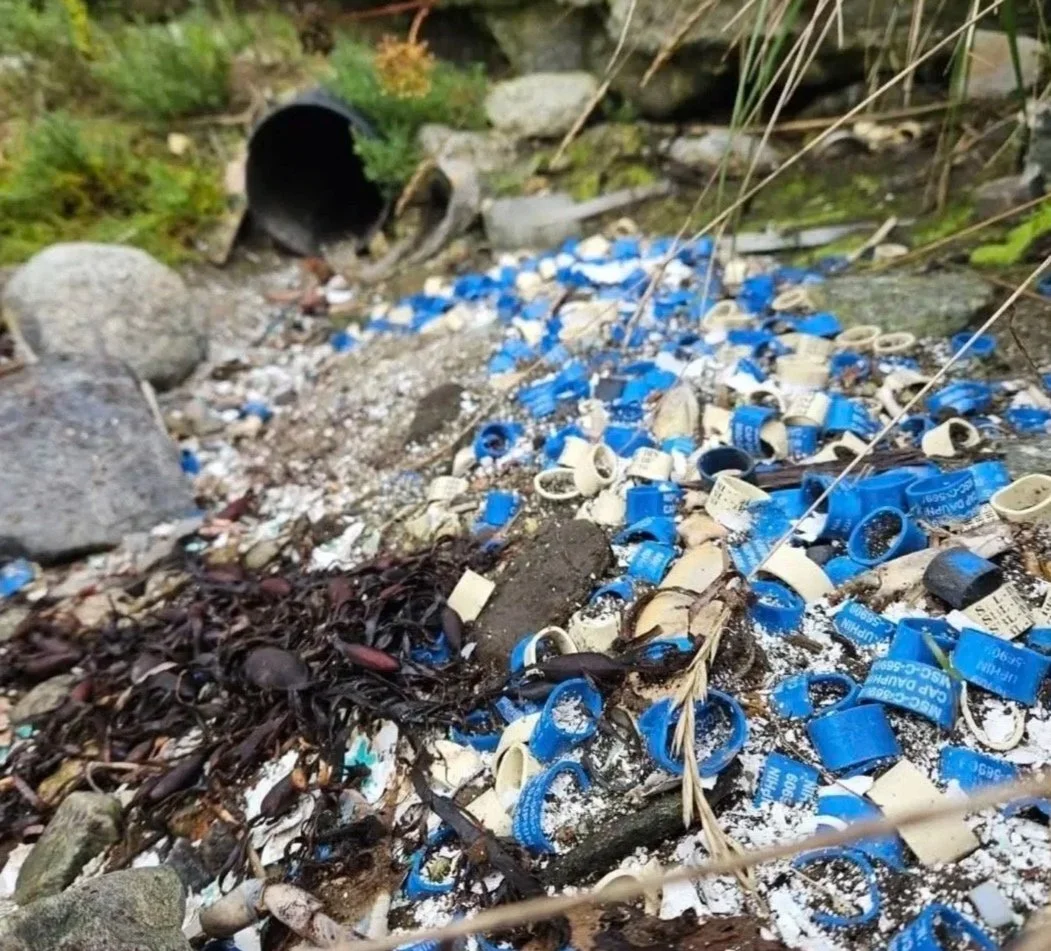
Photo by Scotian Shores
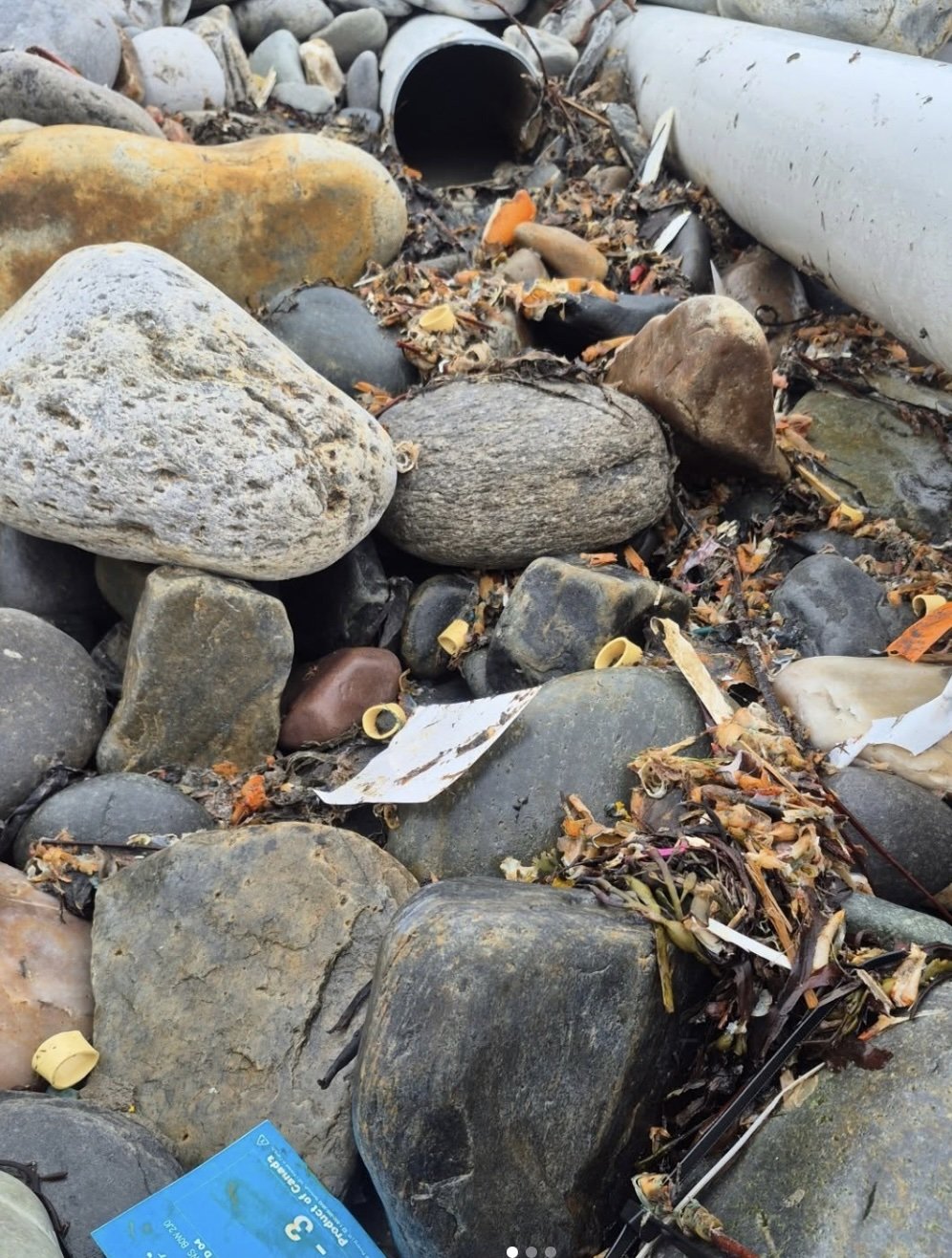
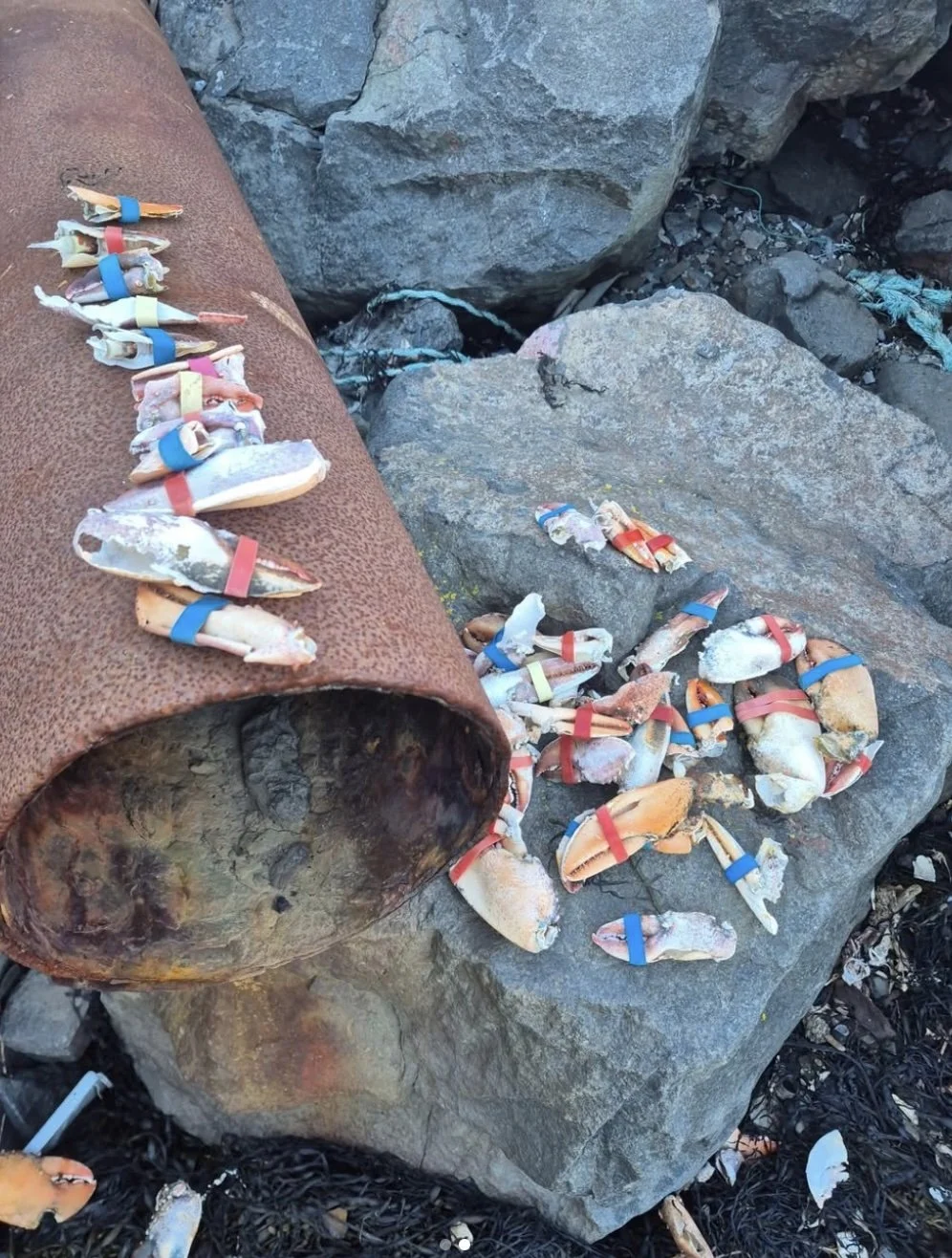
Photos by Scotian Shores


Have your say!
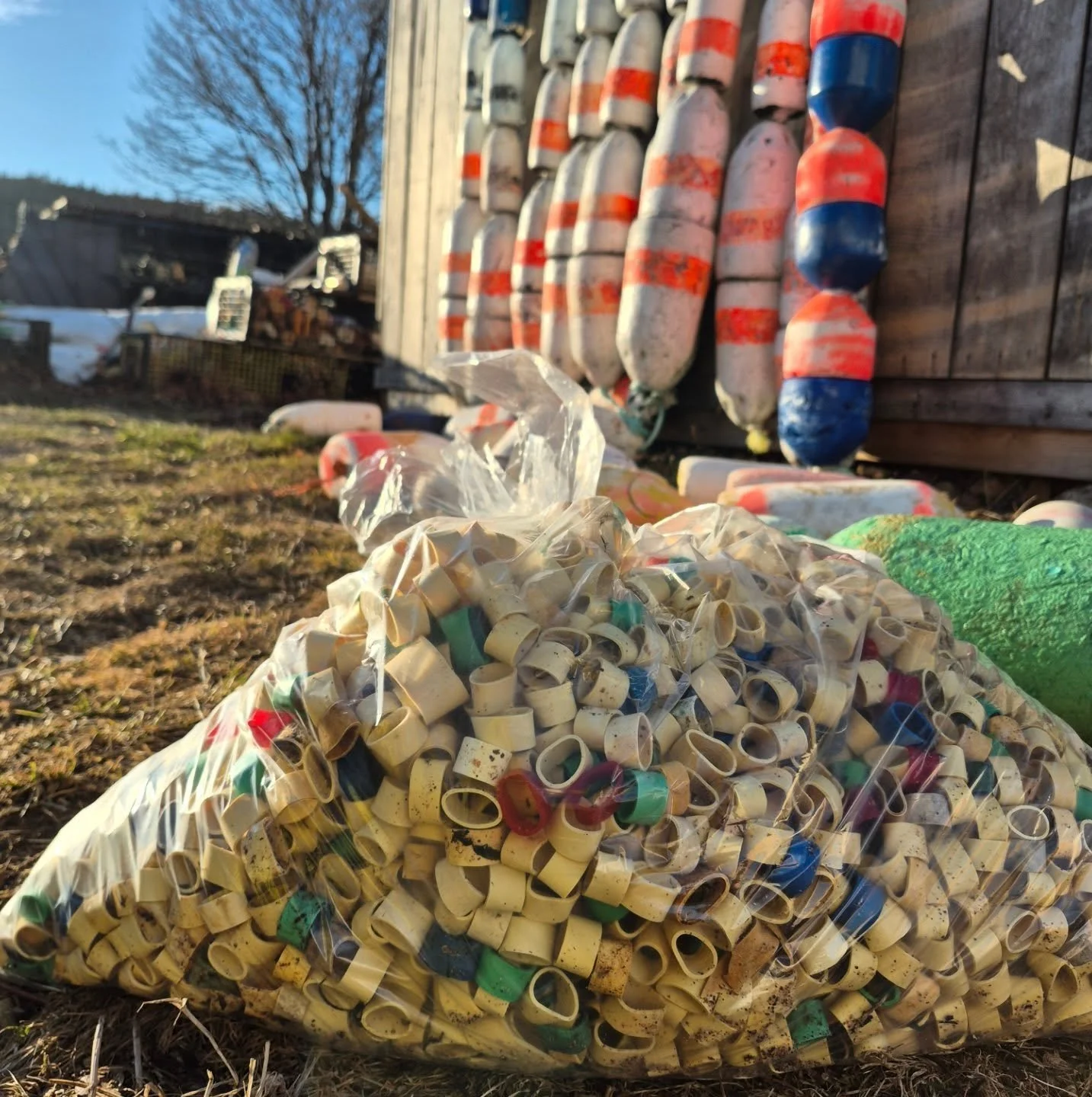
Photo by Scotian Shores
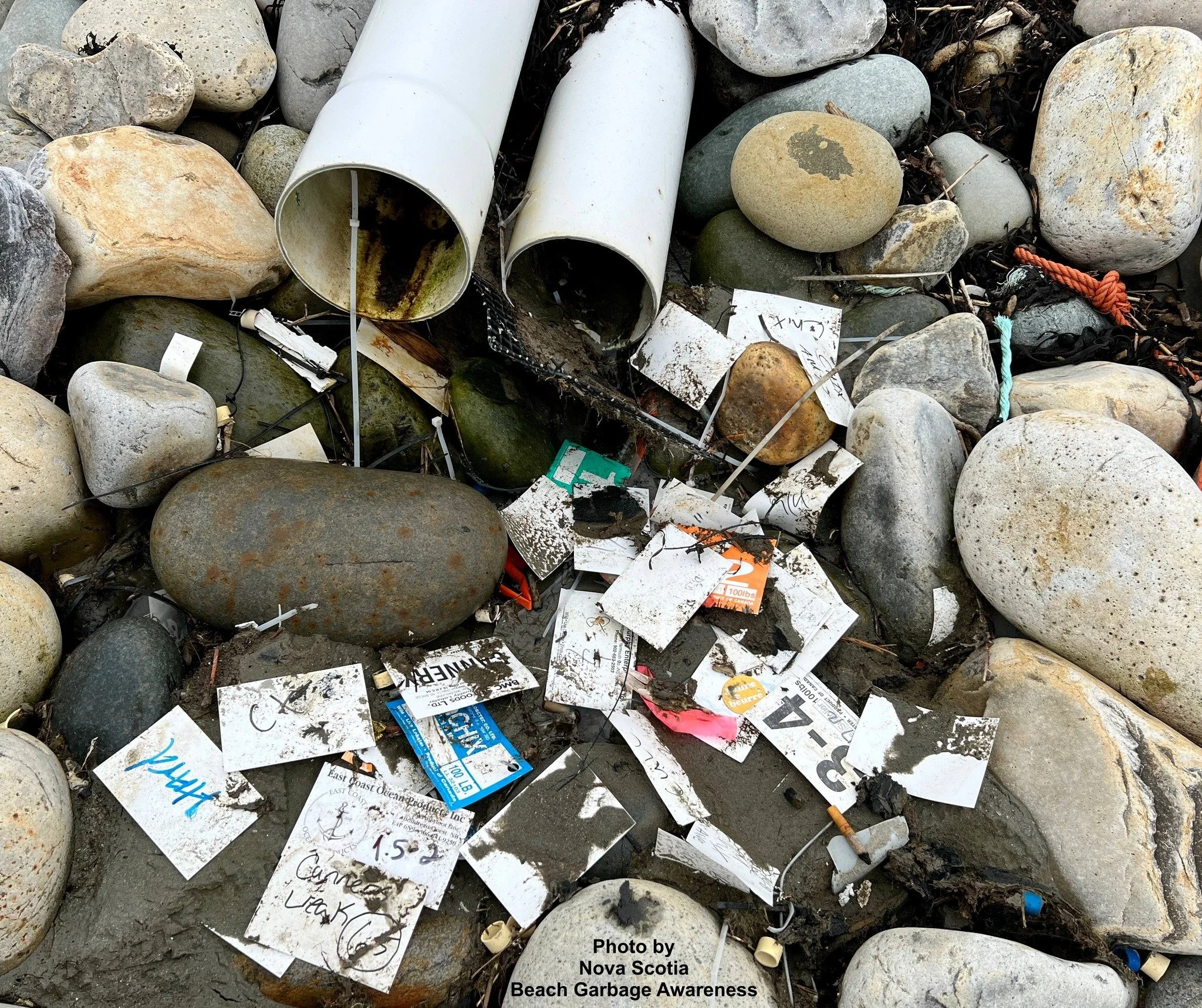
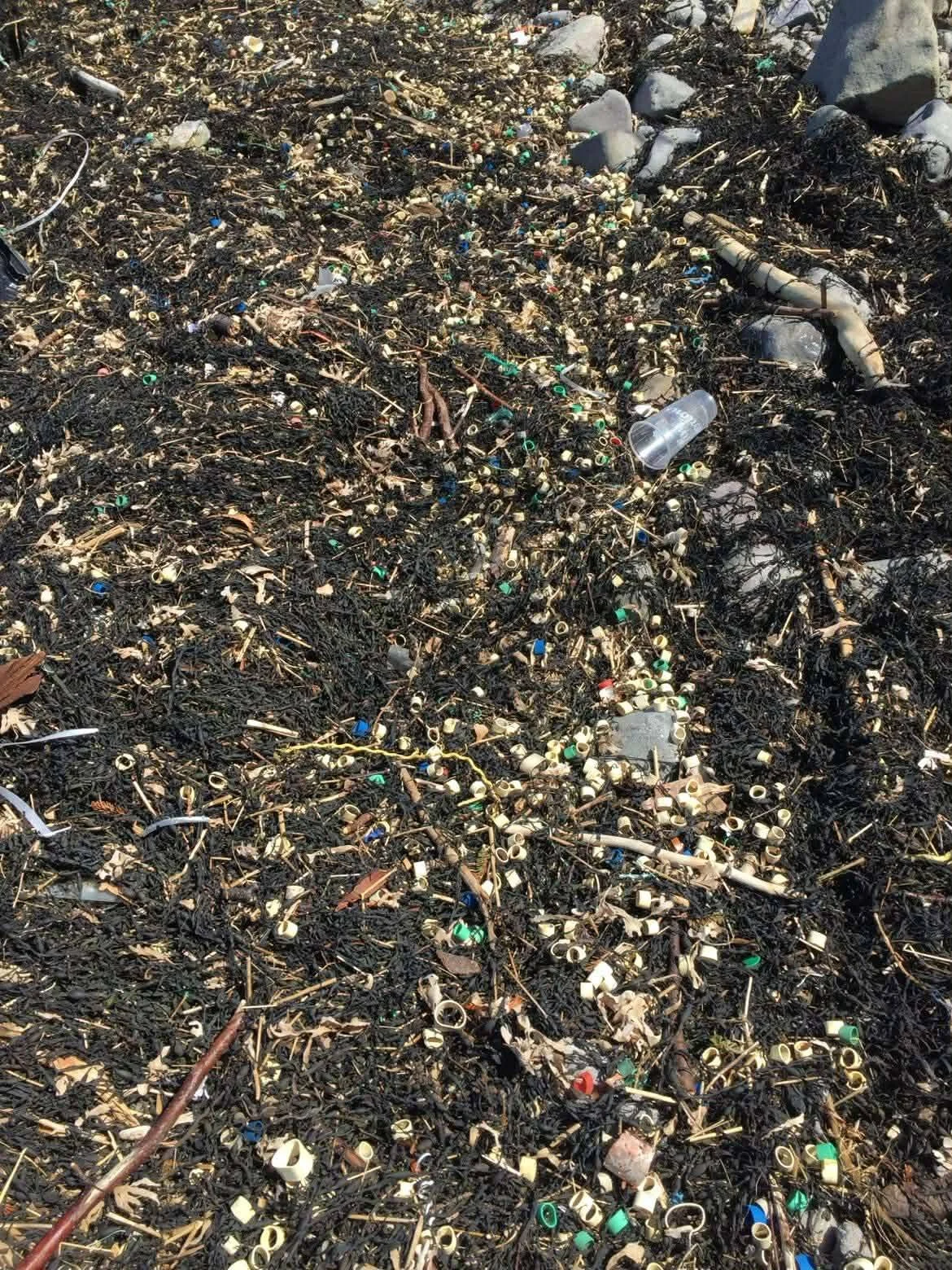
Photo by Scotian Shores